Hey, it's Greg
This week's guest helped build Cornell's car for the DARPA Grand Challenge, back when an autonomous vehicle needed racks of computers and most of its software had to be written from scratch. That experience taught him a lesson he's since built an entire company around. Where has one of your robots gotten lost: under trees, between buildings, or somewhere stranger? Hit reply and I'll share the best ones in a future edition. |
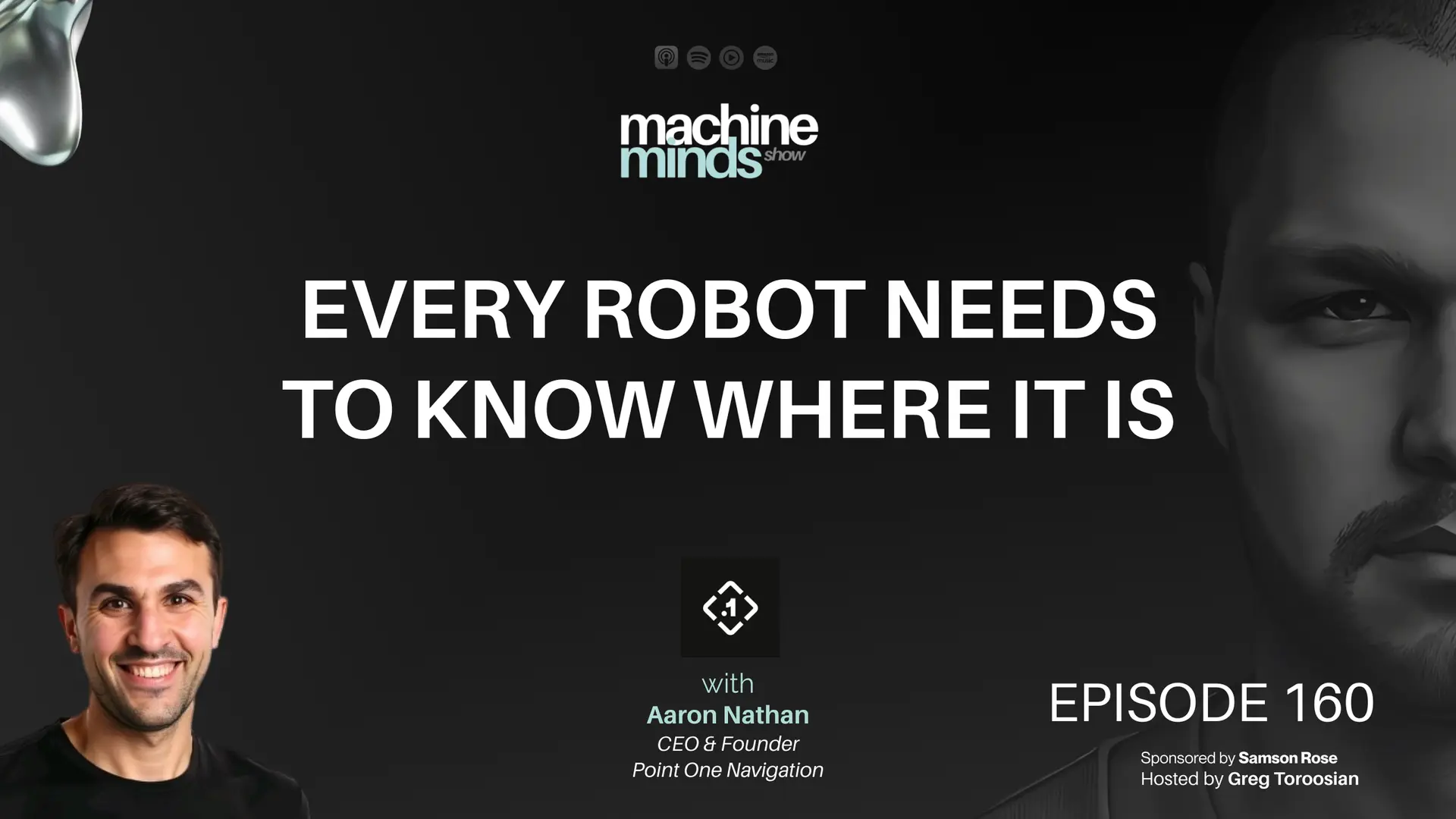
- Every Robot Needs to Know Where It Is with Aaron Nathan
- Four roles we're hiring for right now
- 30% off FUSE San Francisco on November 19
- What we're reading this week
|
|
|
|
Every Robot Needs to Know Where It Is with Aaron Nathan |
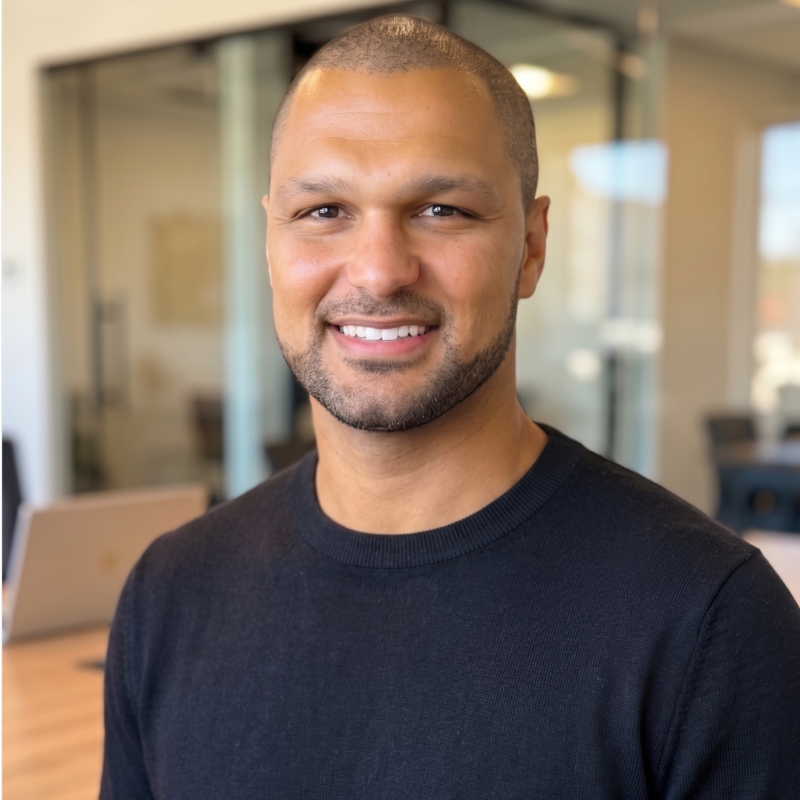
This week I sat down with Aaron Nathan, CEO and founder of Point One Navigation.
Aaron's path into autonomy started at Cornell, where he went from soccer-playing robots to helping build the university's DARPA Grand Challenge vehicle. Coherent Navigation, cybersecurity, and large-scale software platforms came next, and each one shaped how he approaches infrastructure. The lesson that stuck from the DARPA days: however sophisticated perception and control become, a machine that doesn't reliably know where it is can't operate safely.
At Point One, his team is building the location layer for autonomous lawnmowers, agricultural equipment, drones, vehicles, and large robotic fleets, taking positioning from roughly five meters of uncertainty down to a few centimeters. Some of what we covered: - Why the hardest robotics problems tend to live where software and hardware meet
- How Point One makes GPS roughly 100 times more accurate
-
Why centimeter-level precision matters for machines even when regular GPS works fine for people
- The economics and outdated infrastructure that kept precision positioning out of reach for years
- What it takes to run a global corrections network with thousands of physical stations
- How sensor fusion keeps robots navigating under trees, between buildings, and in other tough spots
- Why cars, drones, and boats each need a different approach to positioning
-
The edge cases that appear when a pilot grows into a fleet of hundreds of thousands of machines
- Why he believes physical AI has a problem software never faces: physics is always on
- His advice for technical founders on customer need, value, and willingness to pay
If you're moving a robotics product out of pilots and into real deployments, this one's worth the listen. |
|
|
|
Four roles we're hiring for right now |
A few active searches that might be relevant to you or someone in your network: Senior GNC Engineer | Los Angeles
Aerospace company developing advanced autonomous aircraft. Design guidance, navigation, and control systems, build flight control algorithms across multiple flight regimes, customize PX4, and develop state estimation for GPS-denied environments. 100% onsite. Flight Test Operations Engineer | Los Angeles
Venture-backed company building autonomous, turbine-powered VTOL aircraft that carry up to 100 pounds at around 270 mph. The team has already flown multiple full-scale prototypes, and this role helps take the latest aircraft from prototype to operational capability. Senior Controls Engineer | San Francisco
Fast-growing warehouse automation company. Own the controls backlog from day one in a Beckhoff TwinCAT environment, and commission large systems that combine robotics, ASRS, conveyance, and sortation. Data Infrastructure Engineer | San Francisco
Robotics company deploying robotic cells in manufacturing. Build the AWS data infrastructure, an artifact store for scans, meshes, and calibration files, edge-to-cloud pipelines, and ML training infrastructure. 2+ years of experience, with some travel to customer sites. Know someone? Reply to this email and send them our way. |
|
|
|
30% Off FUSE San Francisco |
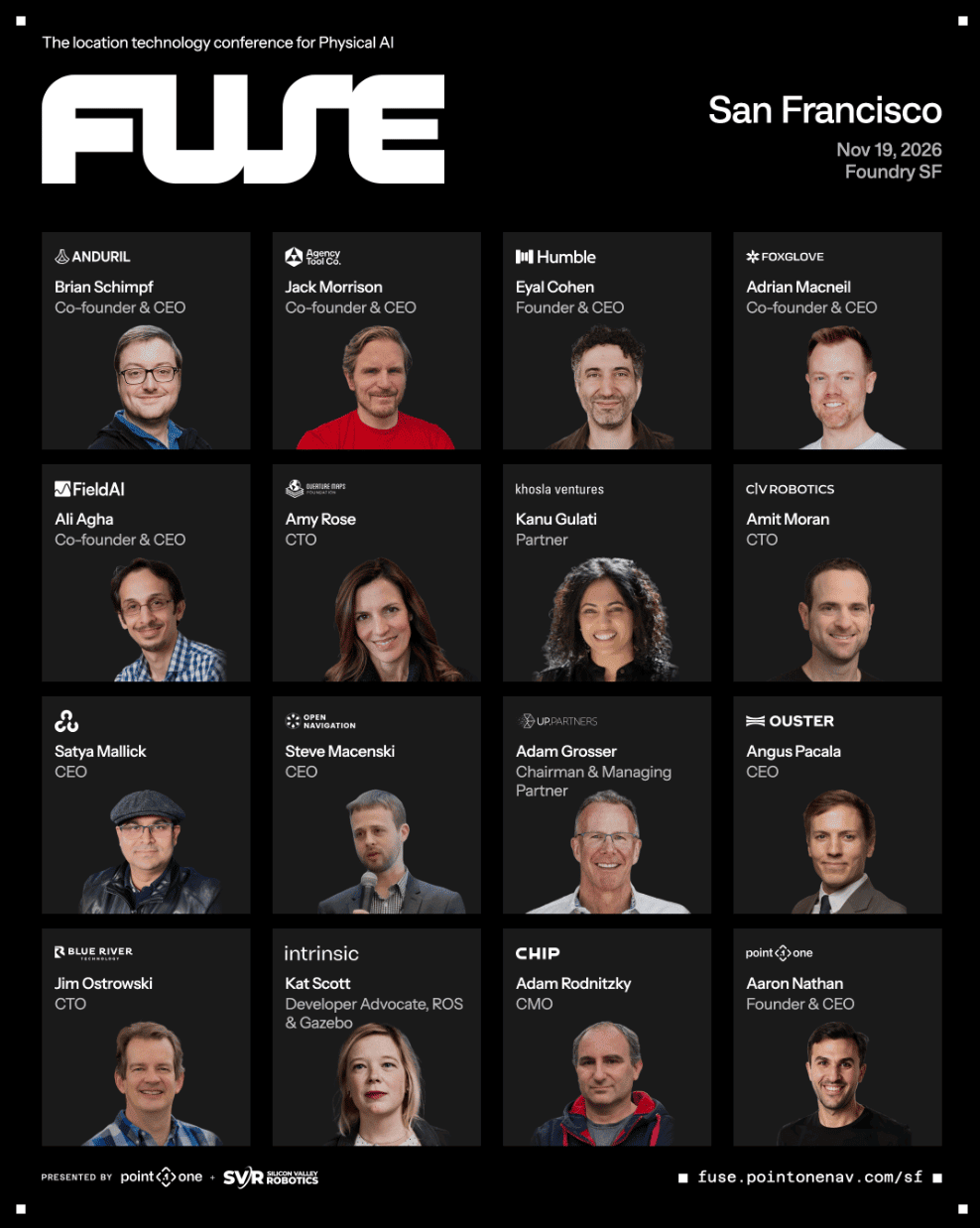
A quick reminder that FUSE, Point One's localization conference for physical AI, comes to Foundry SF on Thursday, November 19.
Aaron explains on the episode why his team skipped the traditional product conference format. FUSE brings together companies that have deployed physical systems to talk through what works, what breaks, and what engineers learn from operating at scale. The Point One team gave me a code for this community: use MACHINEMINDS30 for 30% off your ticket.
If you're going, let me know. I'd love to connect while we're both there. |
|
|
|
What we're reading this week |
|
|
|
Thanks for reading!
Don't want to receive these emails? There's an unsubscribe button at the bottom. |
Copyright Samson Rose 2026
27131 Calle Arroyo, Suite 1722, San Juan Capistrano, CA 92675 |
|
|
|
|